Online reviews influence where people stay, eat, and shop. A recent HolidayCheck study reveals, however, that almost one in three people who have written a review has experienced having at least one of them deleted. This not only undermines the credibility of review platforms, but also people's willingness to share honest feedback in the first place.
Whether it is a hotel, restaurant, online shop, or delivery service: before making a decision, many consumers rely on other customers' experiences. Positive reviews build trust. Critical ones, on the other hand, can flag potential problems and give businesses valuable pointers for improvement.
But what happens when authentic reviews suddenly vanish?
Almost One in Three Is Affected by Deletions
According to a nationally representative online survey by Media Market Insights in cooperation with KANTAR, 31 percent of Germans who have posted an online review in the past two years have had at least one of their reviews deleted. For 12 percent, this happened more than once.
Critical reviews were affected most often:
- 45 percent of deleted reviews were negative or predominantly negative.
- 31 percent contained an average rating.
- Only 16 percent were positive or predominantly positive.
These figures show that critical experiences in particular are at risk of disappearing from the overall public picture.
Deleted Reviews Damage Trust
Being on the receiving end of a deletion does not go without consequences. According to the study, 30 percent of those affected feel angry about it, while 27 percent feel that their freedom of expression has been restricted. 26 percent each lose trust in the provider they reviewed or in the platform itself.
Particularly concerning: many people may stop sharing their experiences altogether in the future.
40 percent would stop writing reviews if they knew that businesses could request their removal. A further 13 percent would phrase critical reviews more cautiously or more positively. Five percent would stop publishing negative reviews entirely.
This creates a distorted picture over time. When mainly positive reviews remain visible, it becomes very hard for consumers to judge how reliable a business actually is.
Two Thirds Do Not Fight Back
Although those affected often have the option to appeal a deletion, 65 percent choose not to. The main reason: for 46 percent, the process is simply too complicated or too time-consuming.
Customers are often required to prove that they were actually a guest or a buyer, for example by providing booking confirmations, invoices, or other supporting documents. Many consumers find this effort disproportionate and therefore accept the deletion.
The result: valuable experiences are lost, along with important insights that could benefit both other consumers and the business in question.
Critical Reviews Are Not Automatically a Bad Thing
It is understandable that businesses want as many positive reviews as possible. Even so, making legitimate criticism disappear is not a sustainable strategy.
A credible review profile does not consist exclusively of top ratings. Constructively worded criticism is part of a realistic overall picture. What matters is how a business responds to it.
A professional, friendly, and solution-oriented reply can actually build trust. It shows potential new customers that complaints are taken seriously and that the business is willing to take responsibility.
Back in 2016, the Hamburg Court of Appeal already ruled that a hotelier simply claiming a review contains false information is not automatically sufficient grounds for deletion. Authentic and verifiable experiences must, as a rule, be protected.
What Consumers Should Keep in Mind
To keep a review credible and avoid giving unnecessary grounds for challenge, customers should follow a few basic guidelines:
- Only describe experiences you have actually had yourself.
- Keep criticism specific and factual.
- Avoid insults and sweeping accusations.
- Hold on to invoices, booking confirmations, or order receipts.
- If a review is deleted, ask for the exact reason and whether you can appeal.
- Clearly distinguish between facts and personal opinions.
The more clearly written a review is, the easier it is to verify if it is ever disputed.
Direct Customer Communication Can Prevent Conflicts
Many negative reviews do not come about because a business is fundamentally bad. The problem is often that guests or customers had no easy way to raise an issue on the spot.
Perhaps the room was not properly cleaned, the food arrived late, or a delivery was incomplete. If customers can quickly and easily report a problem directly, the business gets the chance to respond and offer a solution.
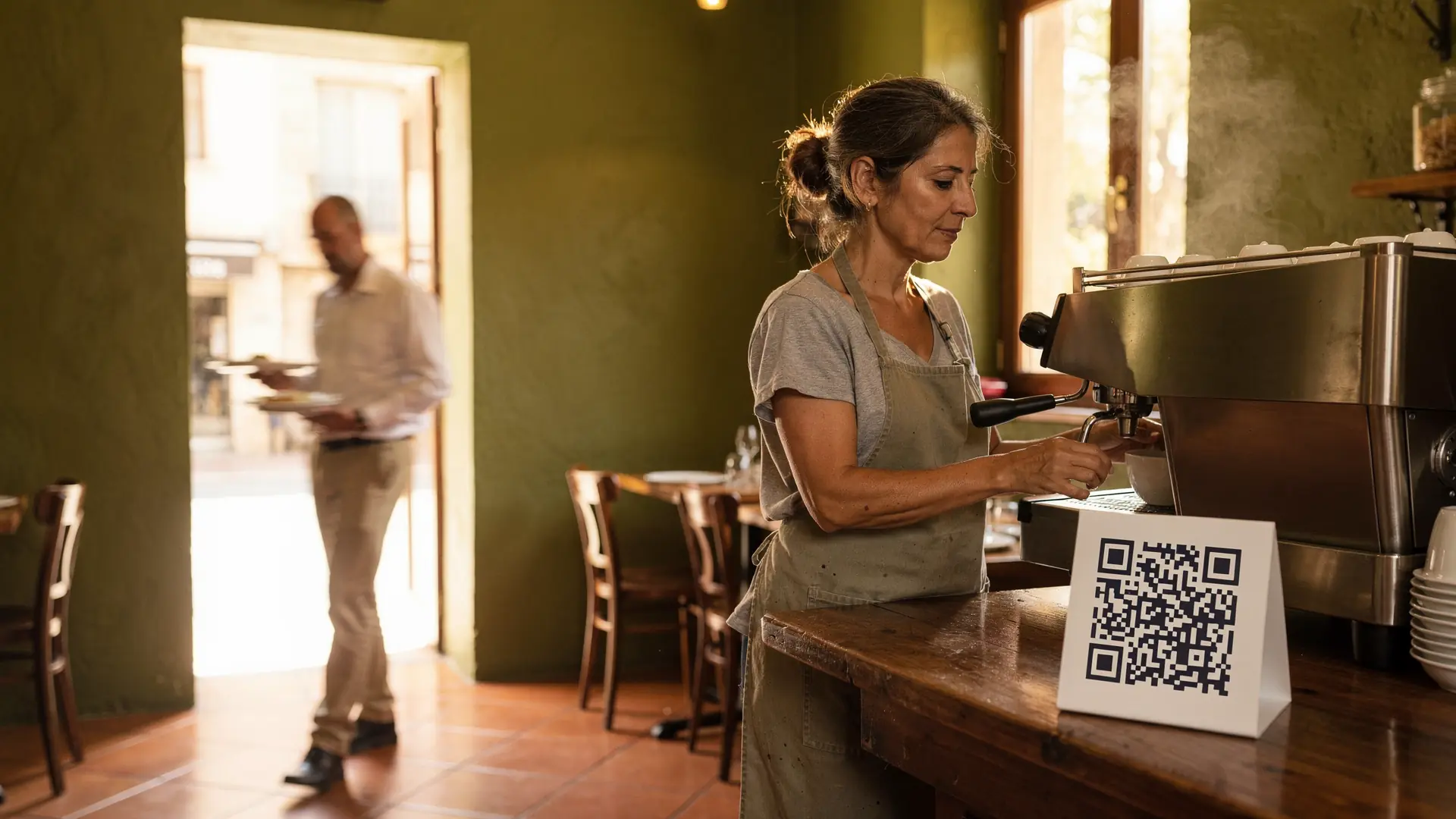
This is exactly where Veridaro comes in: via a single central QR code, businesses can offer their customers several digital options, including direct access to their Google review page, a private feedback channel, and a multilingual digital menu.
The goal is not to prevent critical public reviews. Rather, it is to help businesses find out about problems early and give their guests a straightforward way to get in touch directly.
Honest Feedback Is an Opportunity
Criticism can be uncomfortable. For businesses, though, it is often more valuable than superficial praise. It shows where processes, service, or communication can be improved.
Taking feedback seriously, responding quickly, and handling mistakes transparently all strengthen customer loyalty in the long run. Guests and customers do not want to see their opinion disappear. They want to feel heard and respected.
A credible reputation is therefore not built on having as many perfect reviews as possible, but on real experiences, open communication, and a professional approach to criticism.
Conclusion
The results of the HolidayCheck study show just how fragile trust in online reviews is. When reviews are deleted without a clear reason, or when appeals processes are too complicated, consumers lose the motivation to share their experiences.
Businesses should therefore not focus solely on collecting as many five-star ratings as possible. What matters more is actively listening to customers, treating criticism as an opportunity for improvement, and making it easy to give feedback.
With Veridaro, hotels, restaurants, and other businesses get a direct digital connection to their customers, for more transparency, faster responses, and lasting trust.
Source of study data: Nationally representative online survey by Media Market Insights in cooperation with KANTAR, commissioned by HolidayCheck. 1,200 people aged 16 to 69 were surveyed between 14 and 28 July 2026.